

From Vision to Reality - The Implementation Phase
/Why the Implementation Phase Is the Most Important Part of Your Interior Design Project
Have you ever approved a design plan felt that little rush of excitement and thought, Okay, the hard part is over? I get it. The mood boards are finalized. The floor plans are approved, every fabric, finish, and fixture has been thoughtfully selected. It feels complete. But here’s the honest truth, this is where the real work begins.
The implementation phase of an interior design project is where vision meets reality. It’s where all the invisible details either align beautifully… or quietly unravel. And this is exactly why I believe it is one of the most important parts of the entire process for an interior designer to lead.
Because design isn’t just about creating something beautiful. It’s about protecting that beauty all the way to the finish line.
Let’s pull back the curtain a bit.
The Shift from Design to Doing
Once you approve your design, we transition into the implementation phase. This is where I take everything we’ve thoughtfully developed together and begin guiding it through construction, purchasing, coordination, communication, and installation.
This phase includes:
Weekly updates and structured communication
Procurement and purchasing oversight
Vendor and trades coordination
Site visits and quality control
Final installation and styling
It may sound logistical and yes it is, but it’s also deeply creative. Because every decision here impacts how your home ultimately feels.
Weekly Updates: Creating Calm through Communication
Renovations and furnishing projects can feel overwhelming, there are moving pieces with timelines and deliveries. There are also a number of tradespeople coming and going, that’s why structured communication matters so much. During implementation, I send weekly updates outlining
Current progress
Any questions that need your input
What’s coming next
This rhythm creates predictability and predictability creates calm. You’re never left wondering what’s happening behind the scenes. You’re not fielding calls from multiple vendors. You’re not chasing tracking numbers. Instead, you get clarity and clarity is one of the greatest luxuries in any renovation.
Project Management: Coordinating the Moving Pieces
This is where implementation becomes a true orchestration. Wallpaper installers, electricians, millworkers, upholsterers, window treatment fabricators, lighting specialists, painters, plumbers. Each trade has a role, and each must happen in a specific sequence.
Lighting can’t be installed before certain finishes are complete. Wallpaper shouldn’t go up before other dusty work is done. Custom millwork needs precise measurements before fabrication begins. Without thoughtful scheduling, one delay creates a ripple effect.
My role during this phase includes:
Coordinating and scheduling trades
Conducting regular site visits
Ensuring installation aligns with the design intent
Acting as liaison between you and the contractor
Resolving onsite challenges in real time
Contractors are incredibly skilled at building and executing structural work, but they are not responsible for protecting the aesthetic vision, that’s where I step in.
If a paint finish isn’t what we specified, we catch it. If hardware placement feels slightly off, we adjust. If lighting height needs tweaking, we measure again. It’s this level of oversight that preserves the integrity of the design. And more importantly, it keeps you from having to manage it all yourself.
Procurement: the Art (and Science) of Purchasing
Ordering furniture sounds simple, doesn’t it? Click. Buy. Deliver. Except in full-service interior design, it’s rarely that straightforward. We’re often sourcing from multiple vendors some local, some across the country, sometimes even internationally. Many pieces are custom or made-to-order, lead times vary, freight carriers differ, warehouses are involved.
Procurement means I oversee:
Product purchasing and tracking
Monitoring production timelines
Coordinating freight and white-glove delivery
Managing receiving and inspection
Handling damages or discrepancies
Every piece is delivered to a receiving warehouse where it’s inspected for damage, manufacturing defects, or incorrect finishes. If something arrives flawed (which happens more often than you’d think), we handle the claims and reorder process before it ever reaches your home. This protects your investment and ensures installation day isn’t derailed by avoidable surprises.
For smaller or single-room projects, there may be an option for direct-to-client receiving, but even then, guidance and coordination are essential. Because your time and peace of mind matter.
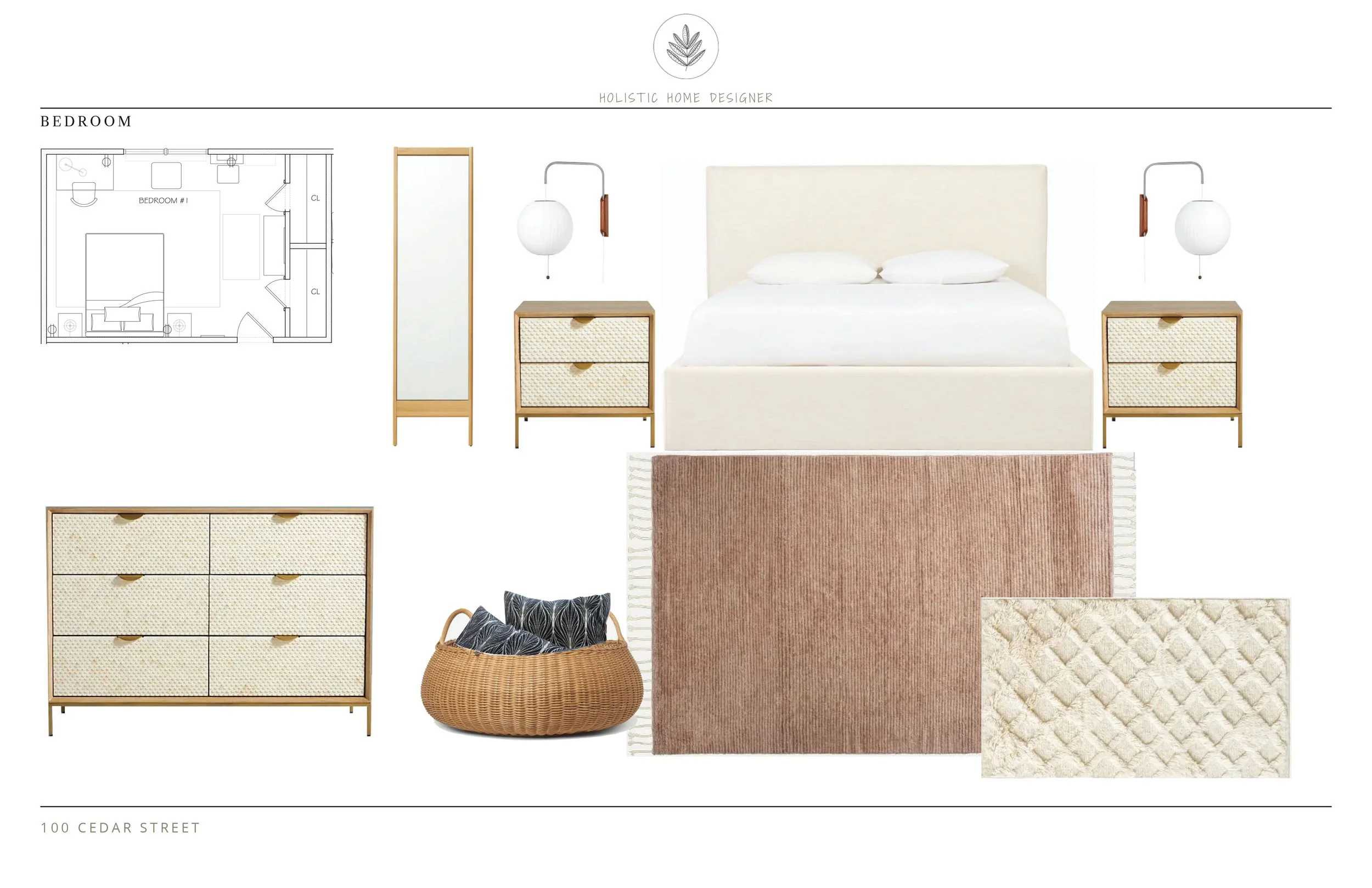
Installation Day: the Choreographed Reveal
Installation day is exciting, it’s also very long and detailed. It’s often a 8 or 10 hour marathon of deliveries, placement, adjustments, and styling.
Furniture is placed intentionally. Rugs are aligned precisely. Lighting is installed at just the right height. Window treatments soften the room. Every piece is measured, balanced, and adjusted. It may look effortless when you walk in, but it is anything but accidental.
Because when all items are received, inspected, and stored until this coordinated installation day, we avoid the chaos of staggered deliveries cluttering your home for weeks.
Instead, you get a transformation. One thoughtful reveal and that moment when you walk in and quietly say, “This is exactly what I imagined.” That’s what we’re working toward.
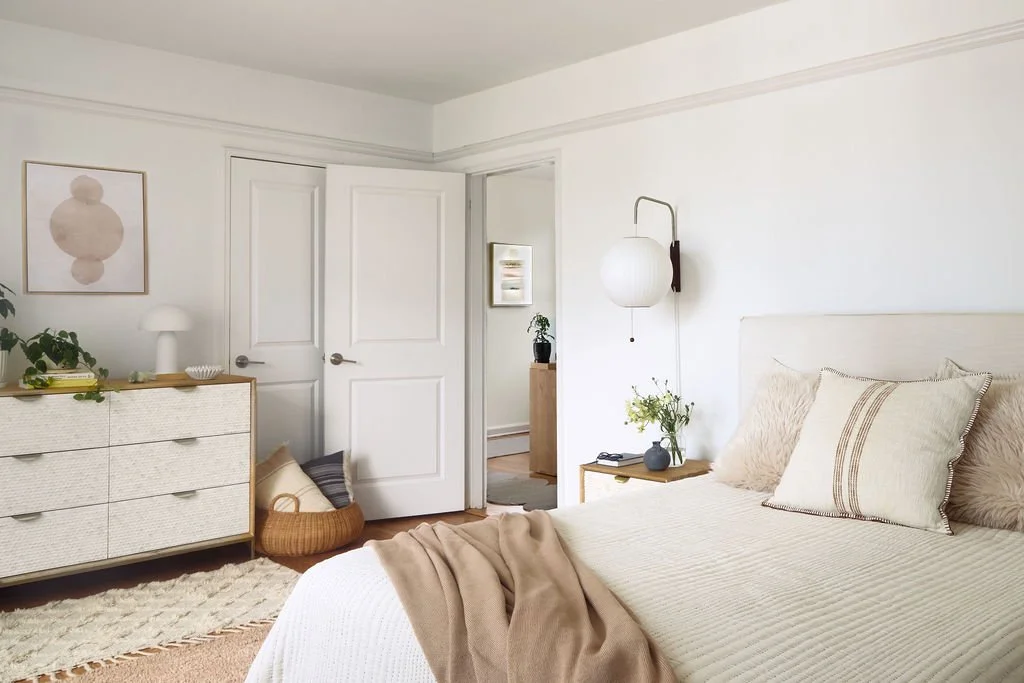
amy baratta design
sarah voigt photography
Art Installation & Styling: Where the Soul Comes In
After the major pieces are in place we layer art, accessories, books. The objects that tell your story. Sometimes we source new pieces, sometimes we incorporate meaningful items you already own. The goal isn’t perfection, it’s personality.
Styling is about balance and warmth. It’s about creating a space that feels lived-in yet intentional. A coffee table styled just right invites you to sit down. A gallery wall hung thoughtfully tells your story. A console layered with texture and greenery adds life. This is where a house begins to feel like home.
Why Designer-Led Implementation Matters
I’ve seen what happens when clients decide to take on implementation phase themselves. I completely understand the instict, after investing in the design it can feel manageable to handle the ordering, scheduling, and coordination on your own.
What often happens is that details get missed, timelines stretch, finishes shift slightly from what was envisioned and small compromises add up. Packing materials multiply and suddenly your home feels more like a distribution center than a sanctuary.
When an interior designer leads implementation:
The design vision is protected
Costly mistakes are prevented
Communication is streamlined
Stress is significantly reduced
Your investment is safeguarded
This phase isn’t just about logistics, it’s about stewardship. It’s about ensuring that the intention we poured into the design is carried through every single decision until the final pillow is fluffed.
The Holistic Side of Implementation
There’s something deeper here, too. The way a project unfolds impacts how you feel about your home before you even move into the finished space. A chaotic process creates stress and stress lingers.
But an organized, thoughtful, transparent implementation creates something entirely different, it creates trust, it creates ease, it creates anticipation instead of anxiety. And when you finally step into your completed space, that calm is embedded in it.
Because design isn’t just visual. It’s emotional.
Your home should support you, soothe you, reflect you. And that kind of outcome requires intention from start to finish. At the end of the day, the implementation phase is where inspiration becomes reality. It’s the bridge between the dream and the lived experience. And it deserves just as much care as the creative process itself.
Because your home isn’t just another project. It’s the backdrop to your life. And if we’re going to do it, we’re going to do it thoughtfully, intentionally, and all the way through.
Ready to create a home that feels more beautiful, functional, and uniquely yours? Let's start with a conversation. Schedule a complimentary Discovery Call and tell me about your project.
